Last week, the government announced that it does not want to try Khalid Shaikh Mohammed and four of his colleagues whom it claims are the remaining conspirators of the attacks on 9/11. All five are awaiting trial at the U.S. Naval Base in Guantanamo Bay, Cuba. The allegations are that these five conspired to commit mass murder, a capital offense. Even though conspiracy is not a war crime, the feds are planning to try these defendants before a military tribunal under the rules utilized in federal criminal trials. All five were detained from around 2003 to 2006 at. . .
Judge’s Opinions
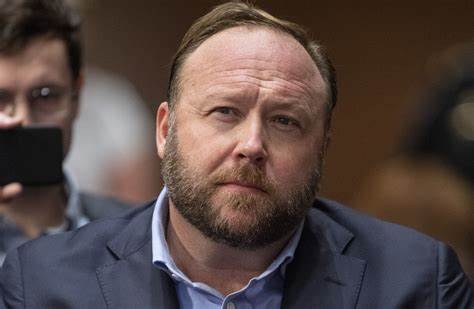
“Congress shall make no law abridging ... the freedom of speech.” -- First Amendment to the Constitution The iconic language of the First Amendment can be recited by schoolchildren, yet it is ignored by judges in Connecticut when the speech has been uttered by Alex Jones. Since the modern interpretations of the First Amendment began in the late 1960s, opinions on matters of public interest have been protected speech, so long as some reasons for the opinions were articulated. The reasons can be inaccurate, and the opinions can be wild, bizarre or irrational. But if it is an opinion, it is protected. . .
Killing with Near Certainty
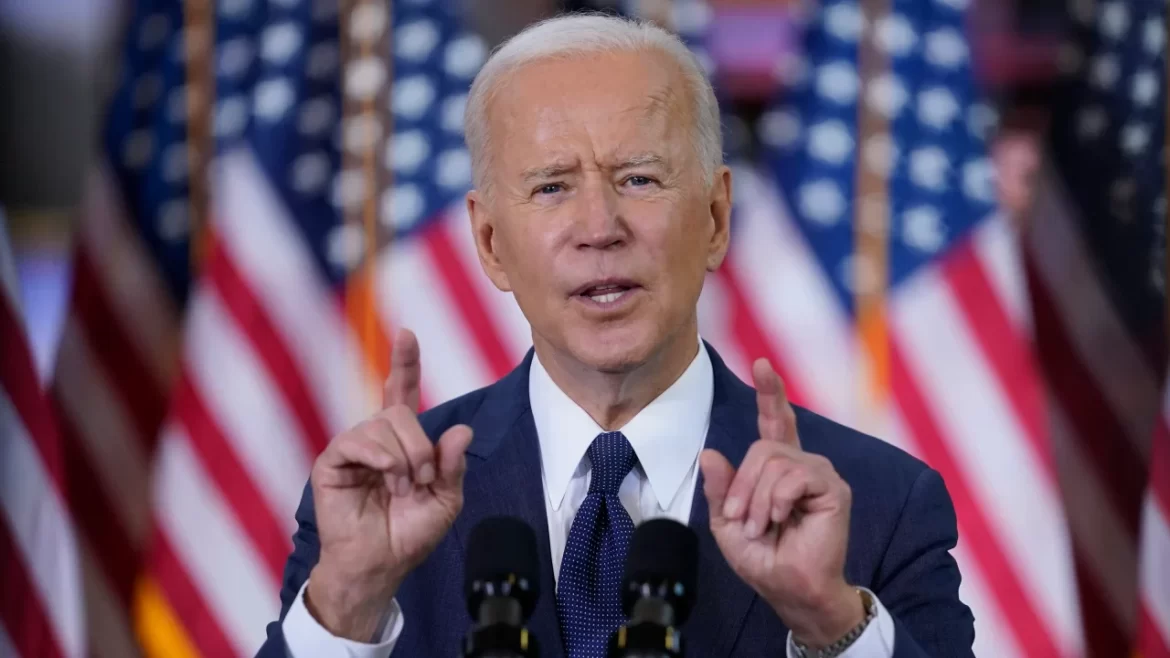
Last week, President Joseph R. Biden Jr. secretly reaffirmed his own self-willed authority to kill persons in other countries, so long as the CIA and its military counterparts have “near certainty” that the target of the homicide is a member of a terrorist organization. That standard was concocted by the Biden administration. There is no “near certainty” standard in the law, as the phrase is oxymoronic and defies a rational definition; like nearly pregnant. One is either pregnant or not. One is either certain or not. There is no “near” there. Yet, the creation of this standard underscores the. . .
“If all mankind minus one were of one opinion, Mankind would be no more justified In silencing that one person, Than he, if he had the power, Would be justified in silencing mankind.” -- John Stuart Mill (1806-1873) The world is filled with self-evident truths -- truisms -- that philosophers, lawyers and judges know need not be proven. The sun rises in the east and sets in the west. Two plus two equals four. A cup of hot coffee sitting on a table in a room, the temperature of which is 70 degrees Fahrenheit, will eventually cool down. These examples, of. . .
When the Trump administration obtained an indictment of Edward Snowden for violation of the Espionage Act of 1917, many of us who believe that the Fourth Amendment means what it says were deeply critical of the government, and we remain so today. This week, retaining his American citizenship, Snowden became a Russian citizen. Snowden is the former CIA and National Security Agency operative -- he was a CIA agent and was later employed by a contractor for the NSA -- who blew the whistle on NSA and FBI mass undifferentiated warrantless spying on all persons in America. The spying consisted of capturing. . .
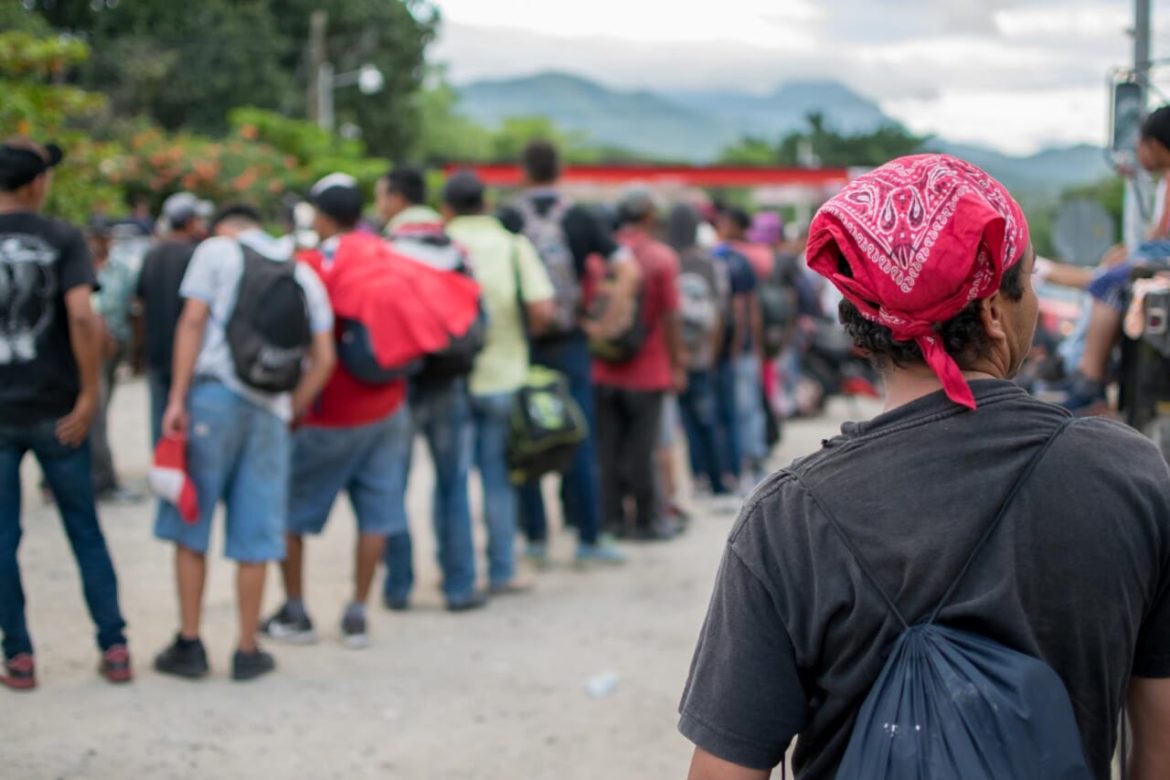
Watching the unprecedented, forced removals of immigrants from Texas to New York City, Martha's Vineyard and the District of Columbia, I thought that my grandparents were fortunate to have entered the United States in an era, though xenophobic toward those from Southern Europe, that did not condone the use of government assets to dupe and kidnap them. I write, of course, about the profoundly unconstitutional and patently unlawful public aggression by the governors of Florida and Texas who used state funds and state force to trick and coerce Latin and Central American immigrants to board state-chartered flights and. . .
Under pressure from the governors of New York and California and their enormous state pension funds, Visa, Mastercard and American Express have agreed to keep a list of commercial transactions made through their credit card systems at gun shops. These credit card middlemen make more money the more purchasers spend, but this pivot to social activism, though lawful, is dangerous to freedom and manifests an antipathy to constitutional norms by the corporations whose services many of us employ without a second thought. Of course, the government involvement is unconstitutional. The pension funds, managed by state government officials with known animosities. . .
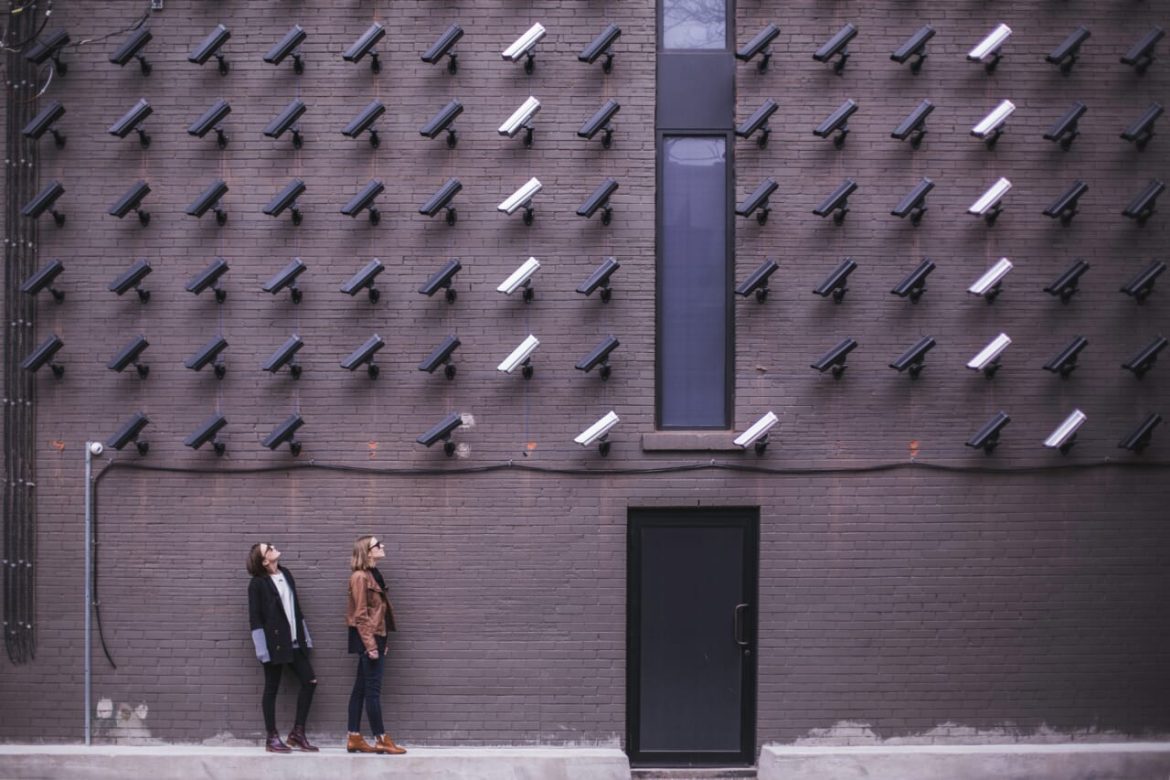
Every move you make And every vow you break Every smile you fake Every claim you stake I’ll be watching you. -- “Every Breath You Take,” Song by The Police The Fourth Amendment to the U.S. Constitution guarantees the right to privacy. Like other amendments in the Bill of Rights, it doesn’t create the right; it limits government interference with it. Last week, President Joe Biden misquoted the late Justice Antonin Scalia suggesting that Justice Scalia believed that the Bill of Rights creates rights. As Justice Scalia wrote, referring to the right to keep and bear arms but. . .
It gives me no joy to write this piece. Even a cursory review of the redacted version of the affidavit submitted in support of the government’s application for a search warrant at the home of former President Donald Trump reveals that he will soon be indicted by a federal grand jury for three crimes: Removing and concealing national defense information (NDI), giving NDI to those not legally entitled to possess it, and obstruction of justice by failing to return NDI to those who are legally entitled to retrieve it. When he learned from a phone call that 30 FBI. . .
The execution of a search warrant on the home of former President Donald Trump has brought to mind a dark and dangerous side of law enforcement. The idea of government agents rummaging through the private possessions on the private property of anyone against that person’s will brings back the specter of British soldiers knocking down doors in colonial America. Their most notorious invasion of private property was a subterfuge, perpetrated by the British Parliament, which sought to remind colonists that the king could enter their homes through his soldiers whenever he wished. In 1765, Parliament enacted the Stamp Act. . .